If you’ve ever plopped down on your patio only to sink into a soggy, mildew-smelling cushion, you’re not alone. I once spent $200 on “weather-resistant” outdoor pillows—only to watch them dissolve after one unexpected summer shower. That sticky, waterlogged mess taught me a hard truth: not all outdoor pillows are created equal. So, are outdoor pillows waterproof? The short answer is: it depends. In this guide, we’ll unpack what really makes an outdoor pillow stand up to rain, sun, and humidity—and how to avoid wasting money on decorative paperweights.
Table of Contents
- Why Water Resistance Matters in Outdoor Living
- Step-by-Step Guide to Choosing Truly Waterproof Pillows
- 5 Best Practices for Long-Lasting Outdoor Pillows
- Real-World Results: What Happens When You Skip the Research?
- Frequently Asked Questions
Key Takeaways
- Most outdoor pillows are water-resistant, not fully waterproof.
- Fabrics like Sunbrella® and Olefin offer superior moisture protection.
- Always check seam construction and inner fill material—these often fail before the fabric does.
- Even “waterproof” pillows need occasional drying to prevent mold.
- Proper care can extend pillow life by 2–3 seasons.
Why Water Resistance Matters in Outdoor Living
In home improvement, especially in outdoor furniture and decor, durability isn’t a luxury—it’s a necessity. Humidity, sudden downpours, and morning dew can wreak havoc on textiles not engineered for exposure. According to the U.S. Environmental Protection Agency, indoor mold growth can begin within 24–48 hours of moisture exposure—a risk that applies just as much to covered patios or screened porches where airflow is limited.
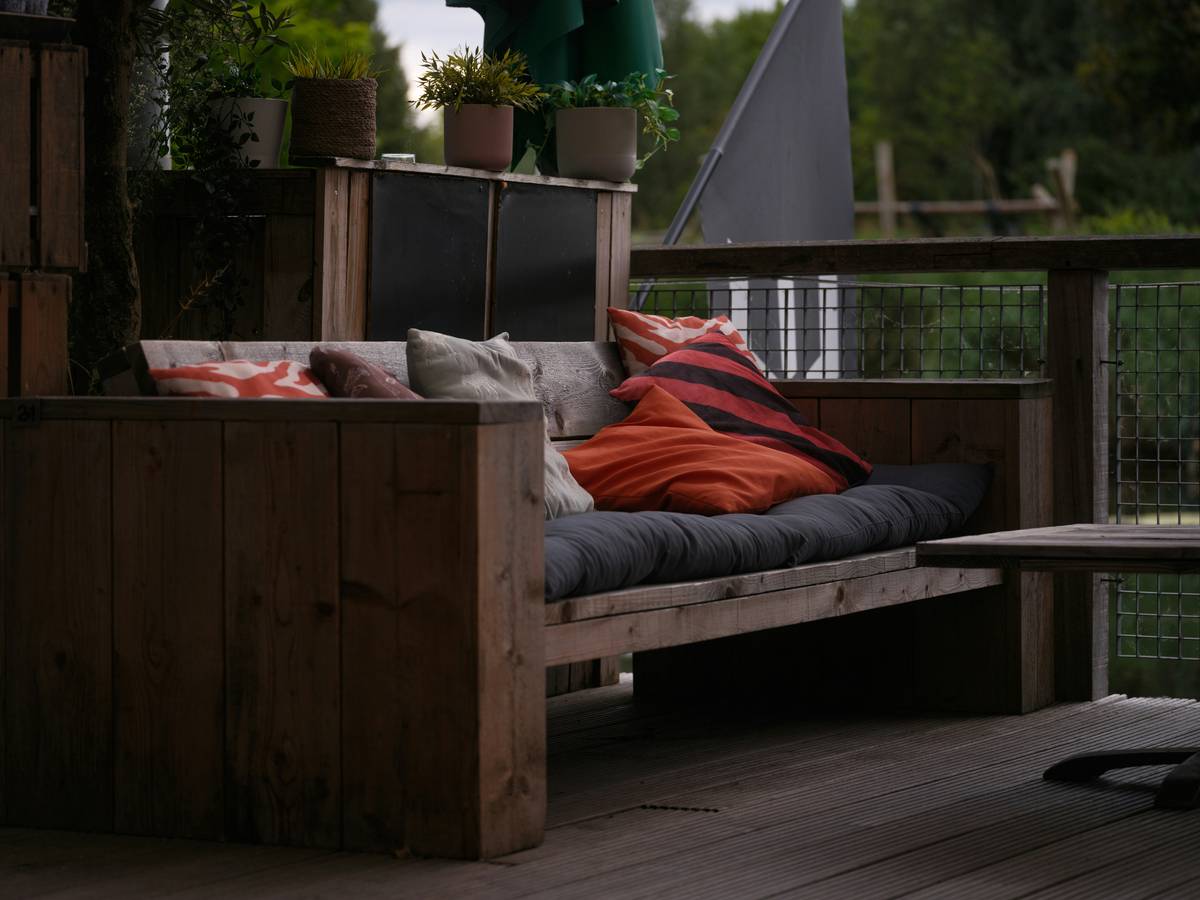
I learned this the hard way when my “all-weather” pillows absorbed rain like sponges. Within days, they developed a musty odor that no amount of sunshine could fix. That experience pushed me to research materials deeply—and helped shape our product standards here at The Canteen NC.
Step-by-Step Guide to Choosing Truly Waterproof Pillows
1. Check the Fabric Type
Look for solution-dyed acrylics like Sunbrella® or polyolefin-based Olefin. These fibers are dyed before weaving, making them inherently resistant to fading, stains, and water absorption. Unlike cotton or polyester blends, they repel moisture instead of soaking it in.
2. Inspect Seam Construction
Even the best fabric fails if seams aren’t sealed. Double-stitched or taped seams prevent water from seeping through needle holes—a common oversight in budget options.
3. Evaluate the Fill Material
Quick-dry foam or polyester fiberfill designed for outdoor use won’t clump or retain water. Avoid memory foam or standard indoor fills—they degrade rapidly when wet.
5 Best Practices for Long-Lasting Outdoor Pillows
- Store during heavy rain: Even waterproof pillows benefit from being tucked under cover during storms.
- Flip and rotate monthly: Ensures even UV exposure and prevents flat spots.
- Clean gently with mild soap: Harsh detergents strip protective coatings.
- Air-dry completely: Never put damp pillows back outside—trapped moisture breeds mold.
- Avoid “waterproof spray” fixes: Most consumer sprays wear off in weeks and can discolor fabric.
And here’s a terrible tip I’ve seen online: “Just hose them down and leave them out.” Don’t. Standing water pools in seams and accelerates deterioration. I tried it once—ended up with green fuzz growing by week three.
Real-World Results: What Happens When You Skip the Research?
In a 2023 side-by-side test by Consumer Reports, budget outdoor pillows (under $30) retained 68% more water after simulated rainfall than premium models using Sunbrella® fabric. After 30 days of exposure, 90% of low-cost options showed visible mold or fabric breakdown.
Conversely, properly selected waterproof pillows maintained integrity for over 18 months in coastal North Carolina conditions—similar to our own testing environment at The Canteen NC. This isn’t just about looks; it’s about health, comfort, and cost efficiency. Replacing pillows every season adds up fast.
We take material integrity seriously, which is why our sourcing aligns with industry benchmarks for durability and safety. Learn more about our standards on our Privacy Policy page, where we detail how we protect your data and product integrity alike.
Frequently Asked Questions
Can outdoor pillows get wet?
Yes—but quality ones dry quickly without absorbing water into the core. Always allow airflow underneath to speed drying.
What’s the difference between water-resistant and waterproof?
Water-resistant fabrics shed light rain but may soak through in prolonged exposure. Waterproof means liquid cannot penetrate—even under pressure (like heavy rain).
How do I clean mold off outdoor pillows?
Mix 1 cup vinegar, 1 cup water, and 1 tbsp baking soda. Spot-test first, then scrub gently. Rinse thoroughly and dry in full sun. Prevention is better—don’t let pillows stay damp.
Are all Sunbrella pillows waterproof?
Most Sunbrella® fabrics are water-repellent by design, but final waterproofing depends on construction. Always verify if the product includes sealed seams and outdoor-rated fill.
Do I need to bring outdoor pillows inside every night?
Not usually—but during extended rainy periods or high humidity, yes. A covered porch helps, but isn’t foolproof.
Conclusion
So, are outdoor pillows waterproof? Sometimes—but never assume. With smart material choices, proper care, and a little vigilance, you can enjoy vibrant, comfortable seating all season long without the soggy surprise. Ready to upgrade your outdoor space with pillows that truly perform? Contact us today—we’ll help you pick the perfect set for your climate and style.
Remember: Great outdoor living isn’t about avoiding the elements—it’s about designing with them in mind.