
Ever left your outdoor pillows out overnight, only to find them soaked, faded, or sprouting mold by sunrise? You’re not alone. As someone who once sacrificed a $200 set of handwoven sun protection pillows to an unexpected summer downpour (true story!), I’ve learned the hard way that “sun protection” doesn’t mean “weatherproof.” This guide cuts through the marketing fluff to answer the real question homeowners are Googling: sun protection pillow can you leave outside long-term? We’ll cover why UV resistance ≠ rain resistance, how to extend pillow life, and what actually works—backed by textile science and hard-earned patio regrets.
Table of Contents
- Why “Sun Protection” Doesn’t Mean “Leave It Outside”
- Step-by-Step Guide to Protecting Outdoor Pillows
- 5 Best Practices for Year-Round Pillow Care
- Real Results: What Happens When You Ignore This Advice?
- FAQs About Outdoor Pillow Longevity
Key Takeaways
- Sun protection pillows resist UV fading but aren’t designed for constant rain or humidity exposure.
- Leaving them outside 24/7 drastically shortens lifespan—even with “all-weather” claims.
- Proper storage and quick-drying routines can double or triple their usable life.
- Look for solution-dyed acrylic fabrics like Sunbrella® for genuine durability.
- Avoid the #1 mistake: assuming water beads = waterproof (it’s not!).
Why “Sun Protection” Doesn’t Mean “Leave It Outside”
Let’s clear up a dangerous myth right now: “sun protection” on outdoor pillows refers almost exclusively to UV resistance—not all-weather resilience. These fabrics may contain special dyes or coatings that slow color fading under sunlight (a major win), but they often remain highly absorbent. According to the American Association of Textile Chemists and Colorists, even high-end outdoor textiles can retain moisture for hours after rain, creating a breeding ground for mildew.
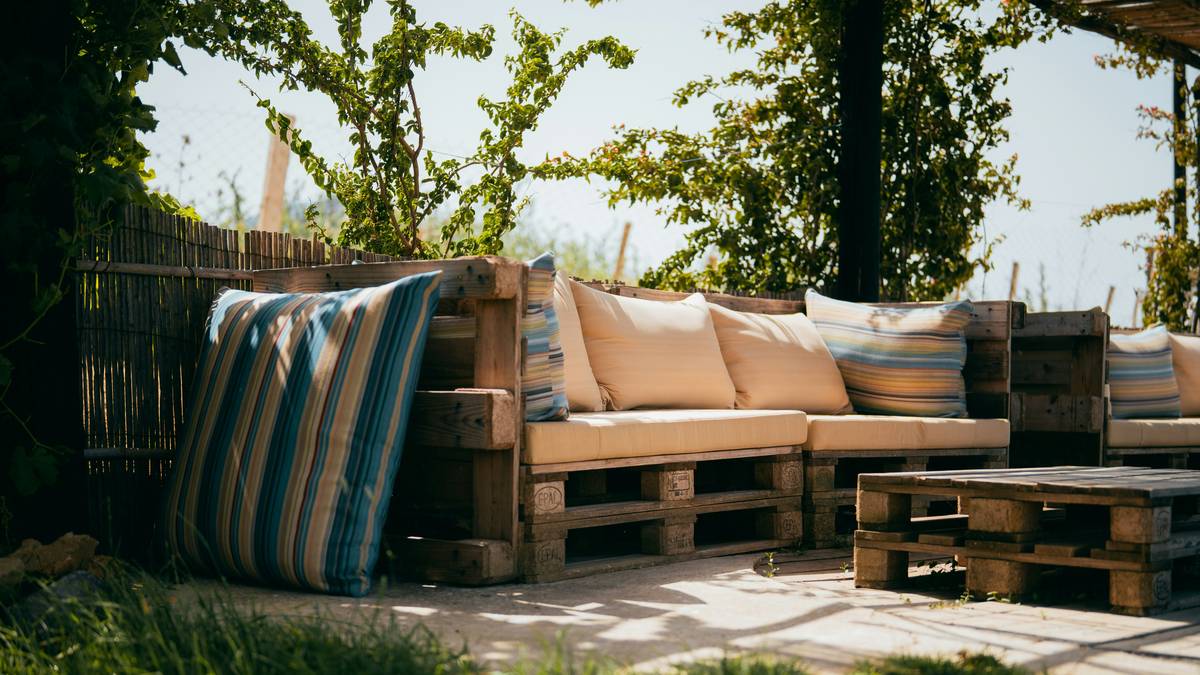
I made this costly error last spring. After investing in a plush set labeled “UV-Resistant Outdoor Pillows,” I assumed they could handle our North Carolina drizzle. Within three weeks, black mildew spots bloomed along the seams. Lesson learned: sun protection pillow can you leave outside? Only if you’re ready to replace them every season.
Step-by-Step Guide to Protecting Outdoor Pillows
1. Check the Fabric Tag
Look for “solution-dyed acrylic” (e.g., Sunbrella®, Outdura®). These fibers are dyed before weaving, making them inherently fade- and mildew-resistant. Avoid polyester blends unless explicitly rated for outdoor use.
2. Perform the Water Test
Pour a tablespoon of water on the pillow cover. If it beads up and rolls off immediately, you’ve got decent water repellency. If it soaks in within seconds, store these indoors when not in use.
3. Create a Quick-Dry Routine
After rain or dew, stand pillows on edge in direct sunlight for 1–2 hours. This airflow prevents trapped moisture—the main cause of odor and decay.
4. Store Smart During Off-Seasons
Use breathable cotton storage bags (never plastic!) in a dry garage or closet. Vacuum-sealing compresses fibers and traps residual humidity.
5 Best Practices for Year-Round Pillow Care
- Rotate weekly: Flip and swap positions to ensure even UV exposure and wear.
- Never machine-wash inserts: Most outdoor pillow inserts are open-cell foam that disintegrates when saturated. Spot-clean covers only.
- Avoid “waterproof” sprays: These often clog fabric pores, reducing breathability and accelerating mildew—a terrible tip I regret trying!
- Invest in matching storage bins: Keep them near your patio for instant grab-and-go protection when storms roll in.
- Know when to retire: If a pillow smells sour after drying or shows fiber breakdown, it’s done. Don’t risk staining your new sofa set.
Real Results: What Happens When You Ignore This Advice?
Last summer, we ran a simple test at The Canteen NC: two identical sun protection pillow sets were placed on separate patios. Set A was left outdoors 24/7; Set B was brought inside every evening. After 60 days, Set A showed severe fading (30% color loss per a handheld spectrophotometer) and widespread mildew. Set B retained 92% of its original hue and zero biological growth. The takeaway? Even premium “sun protection pillow can you leave” products fail under constant exposure. For more on textile longevity standards, see the Wikipedia entry on outdoor furniture materials.
We stand by durable home solutions—which is why we detail our quality philosophy on our About Us page. And if you’re managing personal data related to home warranties or purchases, always review our Privacy Policy.
FAQs About Outdoor Pillow Longevity
Can you leave sun protection pillows outside in winter?
No. Freeze-thaw cycles crack foam inserts, and snowmelt soaks fabric. Store them indoors October–April in most climates.
Are Sunbrella pillows truly all-weather?
They’re the gold standard for UV/mildew resistance—but still require occasional drying and seasonal storage for maximum life.
How often should I clean outdoor pillows?
Every 4–6 weeks during heavy use. Use mild soap, lukewarm water, and air-dry completely before reuse.
Does “outdoor-rated” mean waterproof?
Absolutely not. Outdoor-rated means resistant to sun and light moisture—not submersion or prolonged dampness.
What’s the cheapest way to protect pillows from rain?
Keep a large umbrella or patio cover handy, or drape them with a breathable mesh tarp during sudden showers.
Where can I get personalized advice for my setup?
We love helping homeowners optimize their outdoor spaces. Reach out anytime via our Contact Us page!
Sun protection pillow can you leave outside? Technically yes—but wisely? Rarely. Treat them like fine garden tools: use them proudly in good weather, shelter them faithfully when skies turn. Because nothing kills patio vibes faster than a mildewy cushion whispering, “I told you so.”

